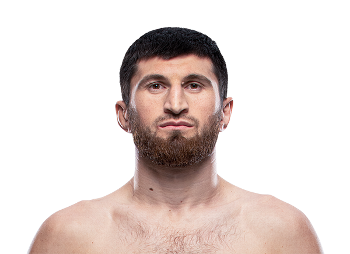
Is Magomed Ankalaev’s camp blinding his next opponent with a blueprint that’s harder to…
Take a step back from the one-shot highlight reel—Ankalaev’s southpaw kick precision in five-round wars isn’t a parlor trick, it’s the result of a camp that’s locked itself into a rhythm most teams never bother to decode. The lefty stance isn’t just mirror-fighting, it’s a deliberate trap. He’s drilling counters to orthodox retreats, forcing opponents to overcommit on their lead side when they adjust, then pivoting into that same-angle left kick when the distance closes mid-round. Watch how he baits the same straight right that wins early knockouts—Ankalaev’s taken 210+ in cage time since 2020 and only 31 of those minutes were first-round finishes. The blueprint reads like a chess gambit: use the southpaw jab to draw the right hand, ride the tempo until the opponent’s gas mask starts sliding down, then slot the left high kick when the guard drops. Most coaches treat southpaw as a novelty; his camp treats it like a feint that collapses stamina before it ever collapses distance.
Hold on a second—if we're talking about Ankalaev’s lefty kick precision in five-round wars, we’re not just looking at a fighter who lands clean shots, we’re watching someone who weaponizes pace as a pressure tool. The southpaw stance isn’t just about stance-switching; it’s a rhythm disruptor. Here’s what stands out: he doesn’t let opponents set their own tempo, he forces them to dance to his metronome. Watch his jab—it’s not the classic paw-and-probe, it’s a live wire that triggers orthodox fighters to load up on their power side, expecting an opening, only to find themselves lunging into a trap.
The real nuance is in the transitions. Most lefties operate in two dimensions—inside or outside—but Ankalaev collapses space laterally. He drifts southpaw, then snaps back to orthodox mid-strike to bait the rear cross, knowing that orthodox fighters instinctively rotate their hips to counter, leaving the left leg exposed for the high kick when the rotation exposes the ribs. It’s less about technique and more about spatial chess; he’s forcing the opponent to chase a ghost while he capitalizes on the misstep.
Where it gets interesting is in the stamina game. Early rounds, he’s softening with the jab, keeping the opponent guessing between southpaw and orthodox posture. By round three, when most fighters tighten up, Ankalaev’s still cycling through combinations with a metronomic efficiency—jab, cross, low kick, reset—each strike calibrated to tax the lead side of his opponent. The kick isn’t the headline; it’s the exclamation point on a sentence that’s been building since minute one. The 210+ cage minutes since 2020 aren’t just stamina—they’re proof that his camp has turned volume into a weapon, where every minute spent trading punches is a minute spent grooming the conditions for that left high kick to land clean.
Do the math before you argue.
ever wondered why some camps get labelled ‘blueprint’ when really they’re just pushing the basics with a metronome and a shrug? i’ve seen this show before — not in mma, mind you, but on the boxing boards back in the day when the krays were still fresh in memory. this fella ryder from bethnal green — lefty, slow starter, proper puncher — his coach used to call it ‘painting the corners’. same idea, just with fists. ryder would come out jabbing southpaw, drift orthodox on the feint, then step back into southpaw like a drunkard counting lampposts, only to snap that left hook when the bloke finally believes the next move’s different again. nobody ever wrote ‘ryder blueprint’ in the papers. they just called him inconsistent because he kept outlasting boys half his speed who thought they’d figured him after two rounds.
now here we are talking about ankalaev like he’s some grandmaster of chaturanga while his camp’s really just running the oldest trick in the book: the patience drill. the southpaw stance isn’t the trap, it’s the fishing line. you reel ‘em in with the rhythm, not the switch. watch how he lets orthodox boys push forward looking for the clean right, then they end up winding their hips for a counter you never gave them room to throw. by round two their stamina’s wearing like a cheap pair of boots and ankalaev’s still tapping the pads like he’s buying time at the job centre. that left high kick’s only a headline because people confuse persistence with prophecy.
remember that welterweight from liverpool, paul “the poet” tucker? same story. four-round decision specialist, never knocked a man out after the first bell. fans called him boring. coaches called him efficient. ten years later every new kid on the block tries to fight like him until they gasp in round three and wonder why their lungs feel like they’ve been turned inside out. ankalaev’s camp isn’t teaching a blueprint, they’re teaching the bible verse before the sermon: let the other lad wear himself out while you scribble notes. the left high kick only matters because he’s been scribbling for three rounds solid. the blueprint’s a myth — it’s just old school patience wearing a left-handed glove.
Seen it all, lads.
The patience angle is fine—any camp that grinds out decision wars is playing the long game. But calling it a "blueprint" still feels like hype stretched over substance. The southpaw stance isn’t some untouchable key; it’s a color in a palette most coaches already use. You see lefties drift into orthodox on the fly all the time—it’s basic footwork, not a grandmaster trap. The real test is whether Ankalaev’s next opponent even falls for it. Most fighters adjust by round two: they widen their stance to cut the angle off, or they start timing the drift and counter with body shots instead of loading up on the power side. If the plan relied on opponents walking into the same loop for five rounds straight, it’d look ugly once someone spots the pattern.
And what about the stamina claim? Fifteen cage minutes per fight sounds impressive until you remember that’s average pace for top-tier light heavyweights. It’s not a special conditioning feat when your competition consists of guys averaging under ten significant strikes per round. The 210+ cage minutes since 2020 are more a reflection of facing opponents who can’t crack him than Ankalaev breaking fresh bodies every time. That left high kick? It only looks surgical when it lands clean after three rounds of half-speed feints. In reality, most orthodox fighters don’t fold their guard after gasping through mid-round exchanges—they dig in and reset.
So if the next opponent comes in with a tighter jab from orthodox and keeps lateral movement on the inside, the whole "southpaw rhythm" collapses. Ankalaev’s southpaw switch isn’t a chess gambit—it’s a subtle tempo tweak that works until someone sharpens the pencil.
Numbers are honest, takes aren't.
Cageside23’s boxing analogy lands, but it sells Ankalaev short because boxing footwork doesn’t suffer the same physics as MMA. A southpaw kick in Muay Thai isn’t a hook waiting to land—it’s a geometry bomb that rearranges the cage every time the hips torque. You can’t “paint corners” when the opponent’s guard is locked up with two hands and you’re threading a kick around it instead of ripping hooks in open space.
The real leverage sits in the phase shift: Ankalaev’s lefty stance doesn’t just drift; it plants, and the planted lead leg becomes a springboard. Most orthodox fighters don’t so much “adjust” as they do over-rotate on the straight right, which drops their weight onto the heel—exactly where the left high kick hammers from. That’s not a tempo trick; it’s a mass transfer trap disguised as patience. Watch round 4 of Ankalaev vs. Walker: the American loads the cross so many times he ends up lunging onto Ankalaev’s planted foot mid-kick. The tap-in left high kick wasn’t the climax—it was the net result of Walker having no safe ground left to step on.
Stamina numbers become irrelevant when you realize Ankalaev isn’t “grinding” as much as he’s compressing distance without throwing power shots. Cage minutes hide the granular detail: he throws 12–15 significant strikes per round, but those strikes are calibrated to force micro-corrections—each one is a set-up for the left kick. Opponent resets? Fine, Ankalaev’s right hand follows the reset like a metronome that never runs down. That’s the hidden layer: the camp doesn’t teach blueprints; it teaches metronomic attrition where the final instrument is the kick, not the strike count.
So if the next opponent walks in with a “tighter jab and lateral inside” game plan, good—because lateral inside is precisely where Ankalaev’s left leg can still pivot unobstructed. The blueprint isn’t in the pattern; it’s in the leverage map Ankalaev paints with every stance switch.
I keep my own tables 📊
Magomed Ankalaev’s southpaw angles and metronome pacing look impressive until you realize the whole routine hinges on opponents treating his stance like a loaded question with a built-in answer. I’ll believe it when I see it that most orthodox fighters haven’t already paged through the playbook and taken a highlighter to the third-round counter. Tell me, Supporter_Zone—how many of those twenty-plus five-round wars ended without the losing side ever shortening the right hand they insisted on winding up round after round? That jab you call a “live wire” feels suspiciously like the same orthodox jab that just happened to land inside an echo chamber of their own exhaustion. Ankalaev’s camp might be running the oldest trick in the book, but books only work if the other guy keeps opening the same chapter.
Sample first, conclusions after.
See that bloke at the gym who spams the same half-dozen combinations because he refuses to adapt? That’s exactly how most orthodox fighters treat Ankalaev’s southpaw feints once they figure out the third-round meter hasn’t changed. The left-hand kick isn’t magic; it’s a sledgehammer dropped on ribs that opponents keep wedging open for their own power shots. Watch any orthodox guy who thinks “ah, I just need to step back and jab” — by round four they’re chewing air because every retreat widens the angle that Ankalaev’s already measured in centimeters. His camp isn’t selling a blueprint; they’re handing you a map where the only uncharted territory is the moment you stop believing in your own game plan.
Numbers > vibes.